
Making Space for Work That Requires a Slower Pace
My word for this year is discern.
Not expand.
Not scale.
Not optimize.
Discern.
Instead of asking, “What else can I fit into my time?” I’ve been asking, “What actually belongs here?”
Instead of asking, “What should I keep doing?” I’ve been asking, “Where am I called to focus in this season?”
Guided by those questions, I’ve been removing more than I’m adding.
Projects that once felt essential to me have been set aside. Tools that filled my studio for years have been packed away. Volunteer commitments that shaped entire seasons of my life have quietly come to an end.
None of it has been dramatic.
All of it has been deliberate.
The slower work I’m choosing now doesn’t need optimization. It needs space.
To do what matters most to us, space must be made in our rooms, in our calendars, in our minds, and in our hearts.
This is not superficial minimalism. It’s discernment.
Making Physical Space
Some work requires literal room.
Fewer tools on the table.
Fewer materials competing for attention.
Fewer unfinished ideas lingering on shelves.
When every option is available, we tend to get stuck in decision fatigue: Which tool? Which medium? Which half-finished project should we work on next?
Making physical space means:
Letting go of practices that require constant setup and teardown
Storing what isn’t needed now instead of keeping it visible “just in case”
Choosing materials that support repetition and depth rather than constant novelty
A simplified workspace doesn’t reduce imagination. It reduces distraction.
For work like mine that demands precision and patience, physical space protects the focus the work requires.
Making Time Space
Slow work cannot survive inside a crowded schedule.
Being more selective with my time has meant accepting that I cannot carry everything at once.
Instead, I’m choosing:
• Fewer projects, carried longer
• Work that’s organized by season instead of by week
• Early mornings for uninterrupted attention
• Planned margins that are protected fiercely
Time space isn’t about simply doing less. It’s about honoring the pace that thoughtful work requires.
In a culture that rewards immediacy, choosing depth over speed can feel counterintuitive. But certain kinds of clarity only emerge when we stop rushing past them.
The printmaking work I do doesn’t respond to time pressure and urgency.
The truth is, very little in life does.
Making Mental Space
Mental space is often the most fragile.
It’s not only crowded by tasks, but also by expectations: to stay visible, to respond quickly, to justify what we’re doing and why.
Even meaningful work becomes draining when it’s constantly explained or “optimized.”
Discernment here has meant:
• Fewer platforms asking for my attention
• Fewer daily decisions repeated out of habit
• Clearer boundaries around what deserves my focus in this season
When the mind is no longer pulled in multiple directions, it can settle into what’s next.
And slower work requires that kind of steadiness.
Making Heart Space
There are many commitments we take on out of love. And then there are seasons when that same love begins to feel heavier than it once did.
Discernment asks us to notice that shift before resentment takes root.
Making heart space has meant:
• Releasing roles that no longer fit this season
• Trusting that stepping back does not erase past faithfulness
• Accepting that capacity changes
Slow creative work requires a heart that isn’t braced or overextended.
It needs space to do what’s meaningful. And meaningful work, practiced regularly, expands our capacity rather than depletes it.
Why Making Space Matters
Making space is not about aesthetic minimalism. It’s about artistic and lived integrity.
If my days are crowded and reactive, the work I do will carry that tension. If my attention is fractured, the work will feel rushed. If my heart is overextended, my creative output will reflect that strain.
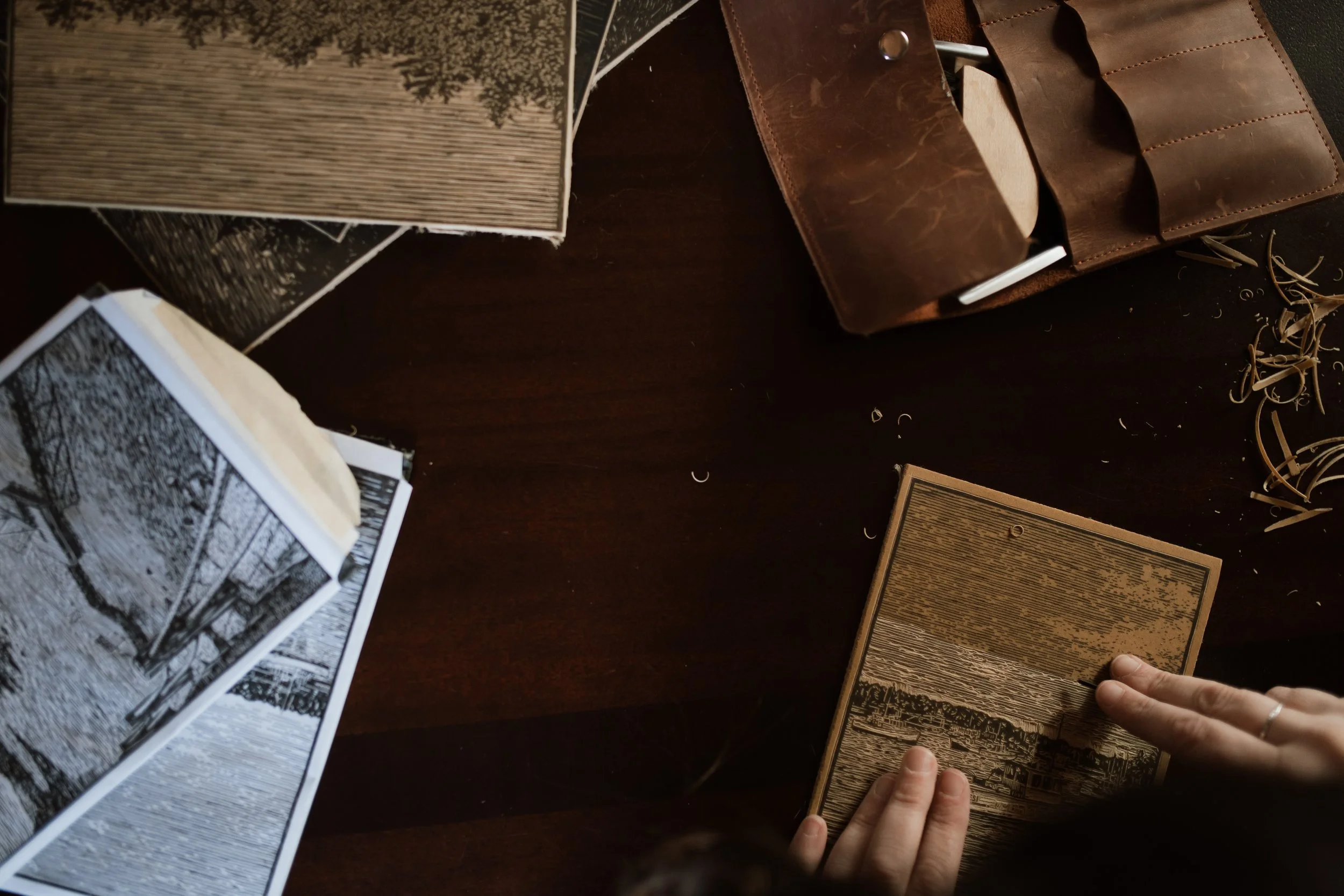
Slower work reveals the pace of the life behind it.
I don’t want to make art from a place of exhaustion.
I want to make work that comes from discernment.
And discernment doesn’t happen by accident. It’s built through subtraction.
Through choosing what not to carry.
Through protecting the conditions that careful work requires.
Discernment makes space.
With love,
Sarah K
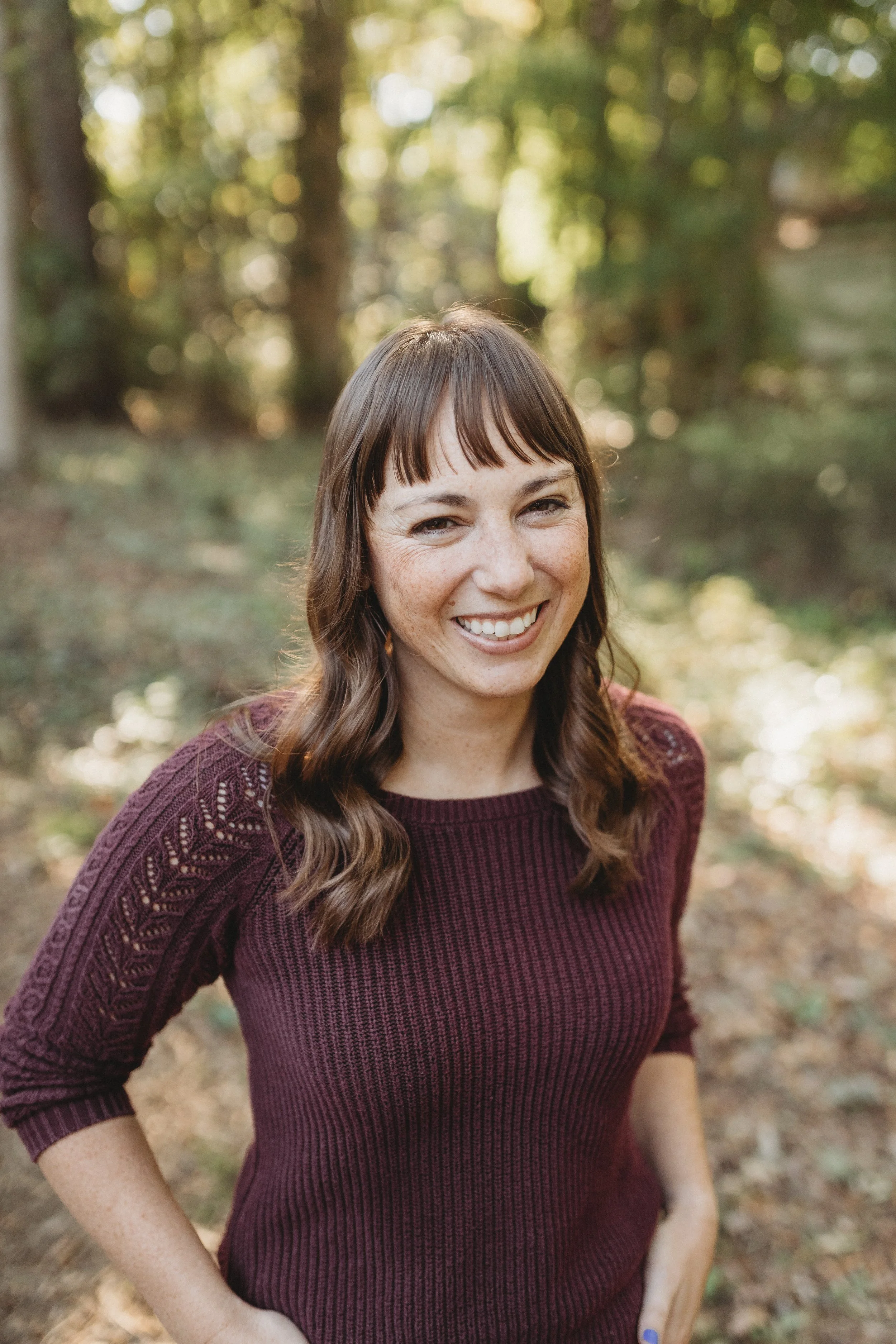
If we haven’t met, I’m Sarah K., an artist and writer based in Richmond, VA. From my sunroom studio, I create linocut prints and written blessings, shaped by quiet mornings and the rhythm of daily practice. My work centers on rest, stillness, and the beauty of everyday rituals.


This summer, I’m choosing a slower pace. ☀️ With long days at the pool and time at home with my boys, I’m leaning into a season of reading - books on rest, slowness, and paying attention. This list reflects what I’m returning to, and what I’m hoping to rediscover.