
Solo Retreats: Why the First Day Doesn’t Count
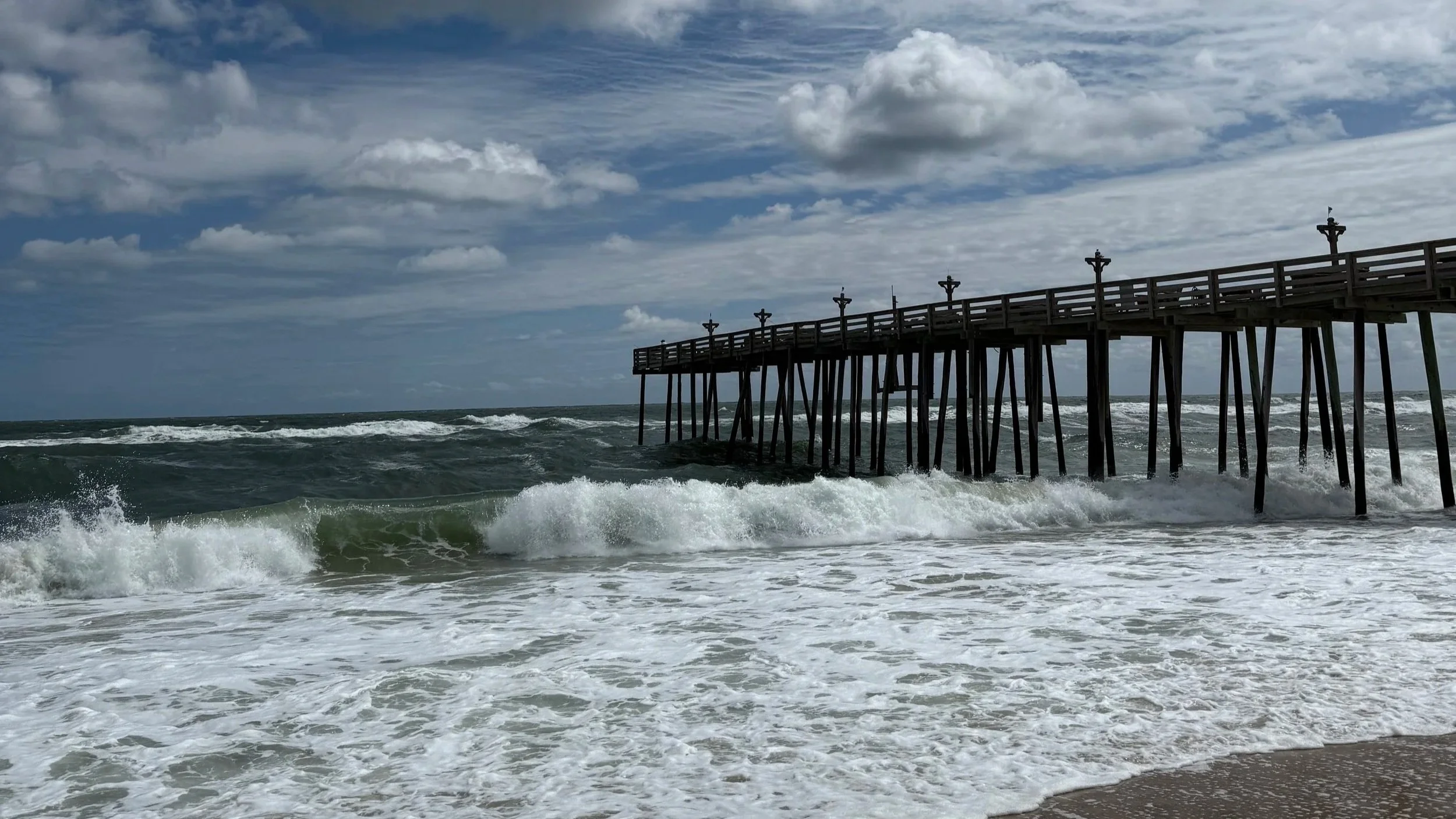
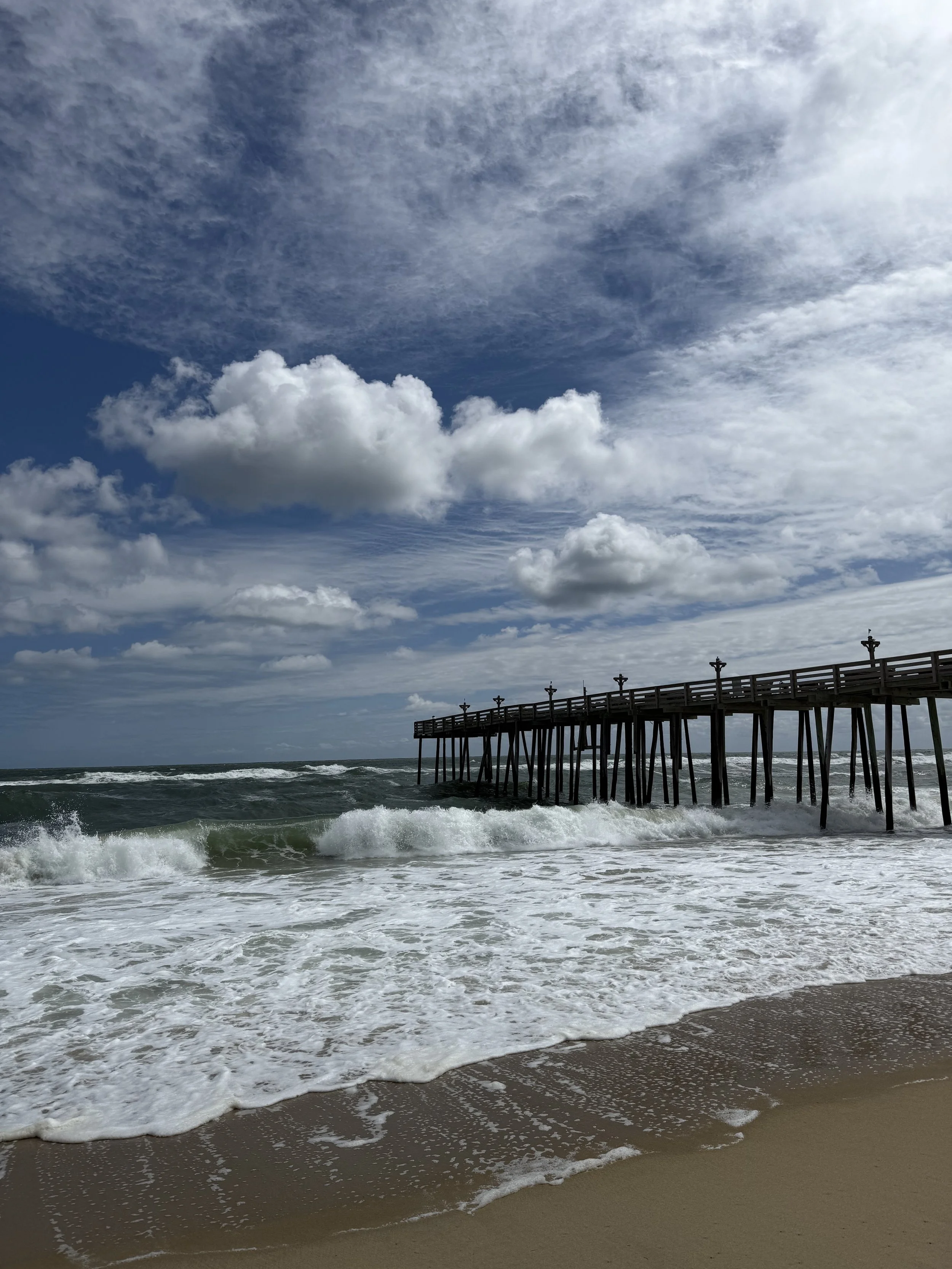
Last year, for my birthday, I took a 3-day solo retreat by the ocean.
I was really looking forward to the quiet. I needed space to recover from work and home life burnout. I needed some time away with no expectations, nothing I needed to produce or respond to. I drove to the ocean (a place of sanctuary for me as a born-and-raised Jersey girl), and I settled into a room on the beach in North Carolina.
But when I got there, I couldn’t rest.
I ran into the same question so many of us do:
Why is it so hard to slow down, even when rest is exactly what we need?
For the first 24 hours, I barely moved. My body was tired enough to stay still, but my mind wasn’t ready to follow. I scrolled my phone, put it down, picked it back up, scrolled some more. I slept in fragments. I woke up and ran to the grocery store, where I could barely comprehend what a proper meal was. I came back to the room and picked up my phone again.
It wasn’t restful at all. It felt like spinning in place.
I was so frustrated with myself. I had created this restful space (no small feat for a mom of two elementary-aged boys), and I couldn’t seem to start resting.
But it was a familiar cycle. It’s happened to me before. In fact:
I’ve come to believe the first day of a retreat is for this: spinning in place for a while and noticing what our spinning may be teaching us.
It takes time to settle.
But I’ve learned that somewhere around the 24-hour mark, there’s a shift.
And for me, it usually starts with a walk.
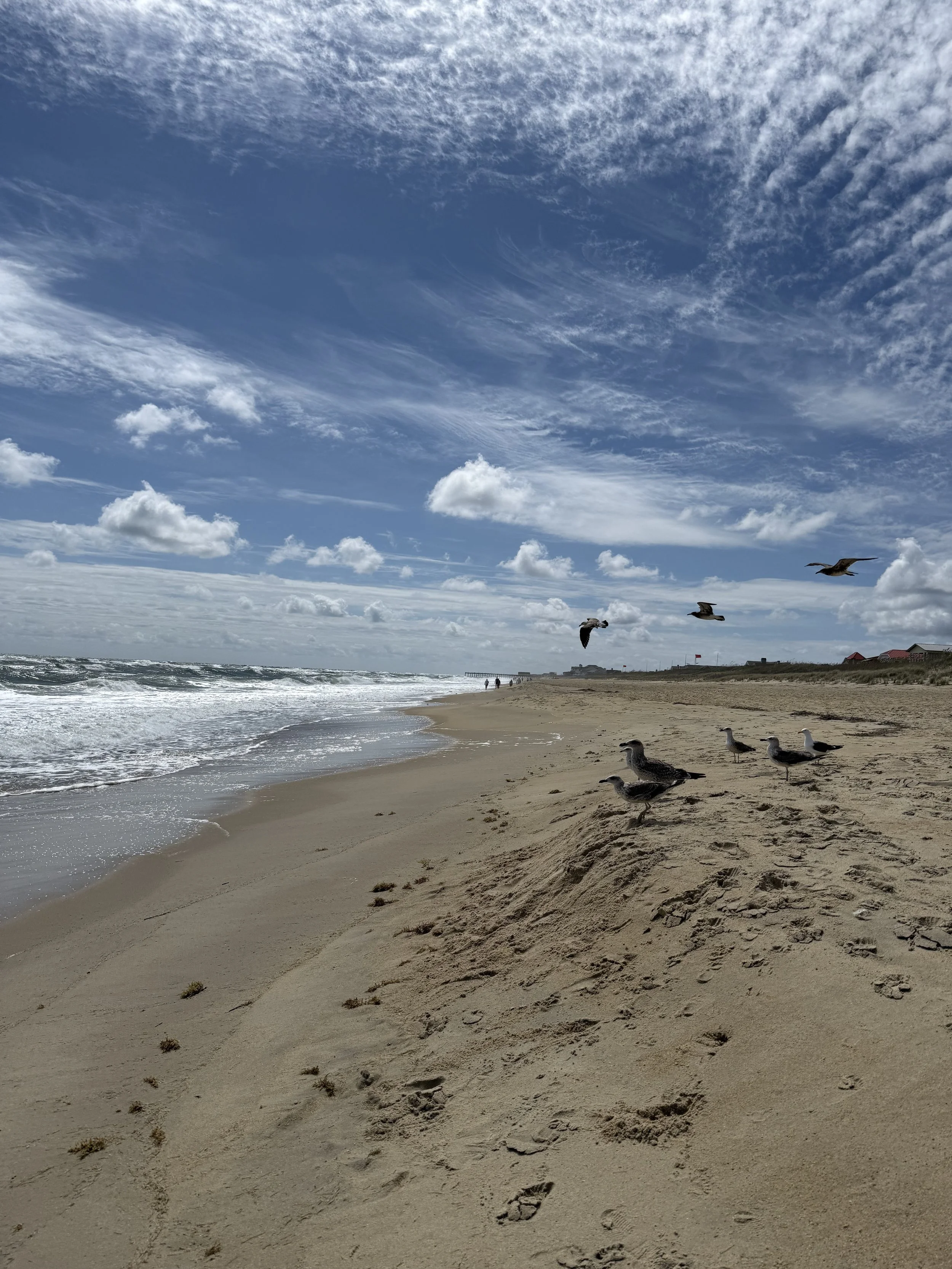
The morning of my second day, I went down to the beach with a notebook and a pen. I told myself I would walk and write. I’d get the thoughts out of my head and onto the page so I could finally settle.
But not long into the walk, the pen slipped out of the notebook and disappeared into the sand.
I stood there on the beach, debating whether to turn back and get another, feeling the pull to make the walk “useful” again - and guilt for losing the pen.
But instead of turning back, I decided to keep going.
At first, I tried to hold onto every thought. I repeated them in my head so I could write them down later: observations about the surf, small ideas, bits of poetry. I didn’t want to lose them. They felt precious, these first quiet thoughts that took 24 hours to hear.
But there were too many.
The more I walked, the more my mind opened up. The sound of the waves, the movement of the tide, the instant delight of pelicans and dolphins (can you really spot either without a delighted gasp?), all the small details I wanted to hold onto. My mind kept reaching for a way to capture it, to turn it into something tangible.
Eventually, I couldn’t keep up.
And somewhere in that letting go, there was a shift.
I stopped trying to hold onto every thought. I stopped organizing, repeating, and preparing them for later. I let myself notice without needing to capture anything.
I walked for a long time, then circled back toward my room.
When I finally returned, I felt different. Quieter.
Not empty, not perfectly calm, but so much clearer. Like my mind had finally caught up with my body.
That was when the rest began.
This experience made me wonder if the difficulty of settling our minds isn’t just about habit, or distraction, or even the pace of life we’ve grown used to.
I’ve come to see our resistance to rest as a signal worth paying attention to, especially for those of us trying to build a more intentional, sustainable pace of living.
When the noise of our lives suddenly gets quiet, space opens up.
And in that space, thoughts can arise that we’ve been keeping at a distance: questions we don’t have answers for yet, feelings waiting to be felt.
Staying busy gives us a sense of direction, a structure, even if that direction is “keep moving and don’t stop until you’re asleep.”
Rest removes that.
It asks us to be with ourselves without a task to anchor us. And that can feel surprisingly exposed.
It’s easy to dismiss the first 24 hours of a retreat spent on mind-numbing tasks as a lack of discipline or a failure to rest well. But I see it differently now.
What if that resistance isn’t meant to push through, but to pay attention to?
What if it’s trying to protect a question, thought, or emotion that we haven’t fully named yet?
Instead of trying to force rest, I’ve been experimenting with sitting with that resistance.
Not fixing it. Not analyzing it. Just noticing and acknowledging it.
Sometimes it softens. Sometimes it doesn’t.
But either way, something shifts when I stop treating this “24-hour spin cycle” like an obstacle. I see it now as a necessary transition period, a time for grace instead of criticism. And that shift has made all the difference to how restorative and complete the rest can become.
I’ve been thinking about what it would look like to create a simple structure for this kind of retreat. Something that doesn’t demand productivity, but gently holds our expectations and our resistance to retreat in equal measure. Something that makes space for rest without expecting it to arrive perfectly.
I’m writing a simple quiet retreat guide for women who need rest but don’t always know how to settle into it, whether at home or away.
Not as a solution, but as a companion for anyone who finds that rest doesn’t always come easily.
If you’d like to receive it when it’s ready, you can sign up here.
Until then,
May you trust that rest does not always arrive when it’s scheduled.
May you welcome the slow pace of softened thoughts, longer breaths, and the quiet return of your attention to what brings you life.
And when stillness arrives, may you meet it with grace.
With love,
Sarah K
If you’re here for the first time, welcome. I’m Sarah K., an artist and writer based in Richmond, VA. I create linocut prints and written blessings for quiet homes, slow living, and women learning to make space for rest.


This summer, I’m choosing a slower pace. ☀️ With long days at the pool and time at home with my boys, I’m leaning into a season of reading - books on rest, slowness, and paying attention. This list reflects what I’m returning to, and what I’m hoping to rediscover.